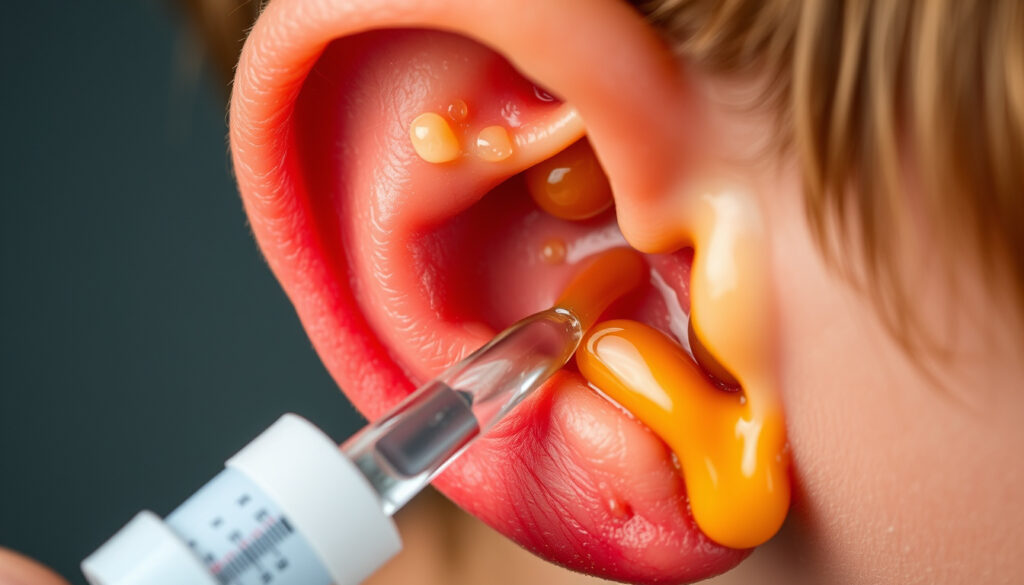
Signs of Ear Infection: Symptoms in Adults & Children
Ear pain has a way of making everyone miserable—whether it’s a toddler tugging at their ear at 2 a.m. or an adult suddenly struggling to hear clearly. Spotting an ear infection early can mean faster relief, fewer trips to urgent care, and less suffering overall. This guide walks through the signs of ear infection across all ages, from the classic symptoms to the subtle cues that are easy to miss.
High temperature threshold: 38°C or above · Most common symptom: Ear pain · Common in children: Acute otitis media · Hearing impact: Temporary loss · Discharge indicator: Possible fluid from ear
Quick snapshot
- Ear pain and fever are universal signs per the NHS and Mayo Clinic (Mayo Clinic)
- Children under 2 are most prone to ear infections (UC Davis Health)
- Fluid drainage from ear indicates possible eardrum rupture (Cleveland Clinic)
- Exact duration varies by individual and treatment approach
- Dirty pillow causation remains unproven in medical literature
- Individual pain thresholds make self-diagnosis unreliable
- Ear infections peak in infants and toddlers before declining by age 5 (UC Davis Health)
- Children typically outgrow frequent infections by ages 3–5 (UC Davis Health)
- Symptoms often follow upper respiratory infections (UC Davis Health)
- Many mild ear infections clear without antibiotics
- Seeking care prevents complications like mastoiditis
- Persistent symptoms beyond 2–3 days warrant medical evaluation
The key facts table below summarizes the primary causes, peak age groups, and complications to watch for.
| Factor | Details |
|---|---|
| Primary cause | Virus or bacteria behind eardrum |
| Peak age group | Children under 5 |
| Key symptom | Earache |
| Complication risk | Rare spread to brain |
| Self-resolve rate | High in mild cases |
How can you tell if your ear has an infection?
Ear infections share a handful of hallmark signs that show up across age groups, though the way they present can vary significantly.
General signs and symptoms
Pain inside the ear remains the most reliable indicator. The National Institute on Deafness and Other Communication Disorders notes that acute otitis media (AOM) is the most common ear infection type, causing pain and fever due to fluid trapped behind the eardrum. Beyond pain, you may notice a high temperature of 38°C or above, difficulty hearing, and fluid or discharge running out of the ear—a sign that warrants prompt attention (CDC).
Pain and pressure indicators
The sensation often builds as pressure builds behind the eardrum. In infants, lying down can intensify this pressure, making them more irritable and prone to crying, especially at night (Riley Children’s Health). Adults typically describe a feeling of fullness or blockage alongside the pain.
Ear pain combined with fever—especially in young children—is the clearest signal that an infection may be present and warrants a doctor’s evaluation.
The implication: waiting it out only makes sense if symptoms stay mild and no discharge appears. Once fluid starts draining, the eardrum has likely ruptured and professional care is needed.
What are the symptoms of an ear infection in adults?
Adults experience many of the same symptoms as children, but the presentation tends to be more verbal and specific.
Inner ear vs middle ear signs
Middle ear infections in adults commonly bring ear pain or pressure, fluid drainage, and trouble hearing (Mayo Clinic). Inner ear involvement may add dizziness, balance problems, and muffled hearing that worsens over hours or days. Adults may also experience sore throat, fever, and jaw pain alongside the ear symptoms (Lawrence Otolaryngology Associates).
Hearing loss and fullness
The feeling of fullness or blockage in the ear is particularly common in adults and often follows sinus issues or recent colds (Pedi-Care Pediatrics). Temporary hearing loss from fluid buildup typically resolves once the infection clears, according to Children’s ENT specialists. Severe symptoms like sudden hearing loss, intense pain, or significant dizziness require prompt medical attention.
Adults are less prone to ear infections than children due to better Eustachian tube drainage, but when infections do occur, they may signal underlying sinus or respiratory issues that need addressing.
The pattern: if an adult develops ear pain after a cold or sinus infection, the infection likely traveled upward from the respiratory tract. Treating the underlying sinus issue often helps resolve the ear problem faster.
What are signs of ear infection in child?
Children display a wider range of symptoms than adults, partly because they can’t always articulate what they’re feeling. Behavioral cues become just as important as verbal complaints.
Signs in babies
Babies show ear infection signs through excessive crying, ear tugging, sleep disturbances, fever, and ear drainage (Children’s ENT specialists). While the most obvious symptom is pain in the ear, a very young child likely won’t be able to verbalize this, according to Penn Medicine healthcare providers. Ear tugging may indicate infection but can also be exploratory behavior—confirm with other symptoms like fever before assuming an infection is present (Children’s ENT specialists).
Signs in breastfed babies
Breastfed infants may refuse feeds or show reduced appetite during an ear infection. Diarrhea, vomiting, or reduced appetite can accompany ear infections in children due to viral cause (UnityPoint Health medical team). Watch for clumsiness or balance problems—babies may become unsteady on their feet if inner ear involvement affects their equilibrium.
The catch: toddlers can’t tell you their ear hurts. Ear tugging, unusual fussiness, crying more than usual, trouble sleeping, and loss of appetite together paint a clearer picture than any single symptom alone (Mayo Clinic medical experts).
What could be mistaken for an ear infection?
Several conditions share overlapping symptoms with ear infections, leading to misdiagnosis if you rely solely on ear pain as the indicator.
Common misdiagnoses
Teething pain in infants can cause ear-area discomfort and irritability that resembles infection symptoms. Sinus issues create pressure and pain that radiate to the ear region. TMJ disorders cause jaw pain that patients sometimes perceive as ear pain. Upper respiratory infections block the Eustachian tubes, creating fullness and muffled hearing without actual infection (Cleveland Clinic health professionals).
Three finger test explanation
The so-called “three finger test” is sometimes mentioned as a home method to check for eardrum perforation—placing three fingers across the ear canal area to apply gentle pressure. However, this method lacks medical validation and should not replace professional examination. Swimmer’s ear (otitis externa) presents differently from middle ear infection, with symptoms including itchiness, redness, and swelling of the outer ear canal rather than deep ear pain (Rush Children’s Hospital specialists).
If pain persists without fever or drainage, or if jaw clicking accompanies the discomfort, the issue may originate in the jaw joint rather than the ear itself.
The implication: ear pain alone isn’t enough to diagnose an infection. The combination of pain, fever, and hearing changes together points more reliably toward otitis media.
Will an ear infection go away on its own?
Many ear infections resolve without antibiotics, but the decision to wait depends on symptom severity, age, and how long the infection persists.
Factors for self-resolution
Mild ear infections often clear within 2–3 days as the immune system fights off the underlying virus or bacteria. Watchful waiting is a common approach for children over 6 months with mild symptoms, according to CDC public health guidance. However, viral infections cannot be treated with antibiotics—only bacterial infections respond to them.
When to seek help
Seek care for significant ear pain, drainage, fever over 102.2°F (39°C), worsening hearing, or balance issues (CDC public health guidance). Children under 6 months require immediate medical attention for any fever or suspected ear infection. If symptoms worsen after 48–72 hours or show no improvement, a healthcare provider should evaluate the situation.
What this means: mild cases often resolve on their own with rest and symptom management. But fever above 39°C, fluid drainage, or symptoms lasting beyond three days mean professional treatment is necessary to prevent complications.
While the most obvious symptom of an ear infection is pain in the ear, a very young child likely won’t be able to verbalize this.
— Penn Medicine
A sure sign of an ear infection is fluid or pus draining out of a child’s ear.
— UnityPoint Health
Ear infections are most common in children under 2 years old. They typically start to outgrow ear infections by about ages 3–5.
— UC Davis Health
Related reading: Symptoms of a Heart Attack
Frequently asked questions
Can a dirty pillow cause an ear infection?
Poor pillow hygiene does not directly cause ear infections, but bacteria-laden surfaces near the ear could contribute to outer ear infections (swimmer’s ear) if moisture is present. The primary causes remain viruses and bacteria traveling through the Eustachian tube.
How to unblock an ear infection?
Ear infections are treated medically, not manually unblocked. Over-the-counter pain relievers help manage discomfort while the infection resolves. A healthcare provider may recommend decongestants or, in bacterial cases, antibiotics. Never insert objects into the ear canal.
What is the three finger test for ear infection?
The three finger test is an unverified home method sometimes described for checking eardrum perforation. It lacks medical validation and should not replace examination by a qualified healthcare provider.
How to prevent your ear infection from coming back?
Prevent ear infections with good hygiene, proper feeding techniques (for infants), avoiding smoke exposure, and staying current on vaccinations (Children’s ENT specialists). Treating allergies and sinus issues promptly also reduces Eustachian tube blockage risk.
What are ear infection spread to brain symptoms?
While rare, untreated infections can spread beyond the middle ear. Signs of serious complications include severe headache, stiff neck, high fever, confusion, or neurological changes. These symptoms require emergency medical care immediately.
What are symptoms of outer ear infection?
Outer ear infections (swimmer’s ear) typically cause itchiness, redness, swelling of the ear canal, and pain when pulling on the earlobe. Unlike middle ear infections, swimmer’s ear rarely causes fever and affects the outer canal rather than the space behind the eardrum.
More related posts
 Weighted Vest for Women: Benefits, Weight Guide & Safety
 Shaun Ryder: Health, Controversies and Heroic Rescue
 Symptoms of a Heart Attack – Key Signs Especially in Women
 Finn Cole: Biography, Age, Relationship & Peaky Blinders
 Pet Shop Boys Songs – Top Hits, Discography and Chart Records
 Howard Donald: Career, Net Worth, and Personal Life in 2025
 Edward Twilight: Age, Transformation, and Relationship with Bella
 Jennifer Grey: Accident, Nose Job, and Swayze Relationship