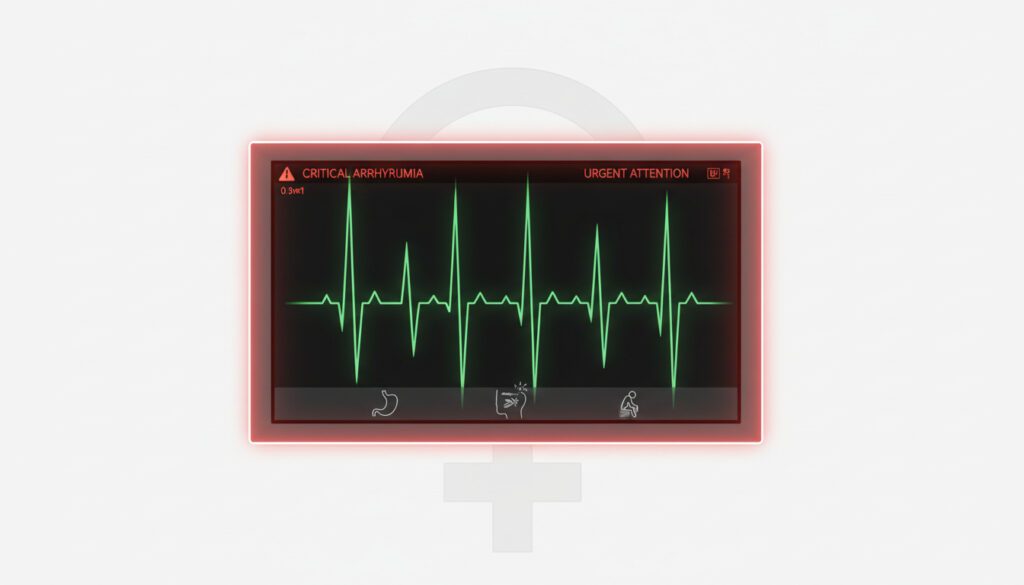
Symptoms of a Heart Attack – Key Signs Especially in Women
Heart attacks present differently than many expect. While chest pain remains the most recognized sign, the reality encompasses a broader spectrum of sensations that vary significantly by sex, age, and underlying health conditions. Understanding these variations proves critical for timely intervention and survival.
Every 40 seconds, someone in the United States suffers a heart attack. Yet misdiagnosis persists, particularly among women presenting with atypical symptoms. The gap between expected and actual presentation patterns continues to cost lives, making accurate recognition a public health imperative.
Medical research has evolved beyond the classic “Hollywood heart attack” portrayal. Contemporary cardiology recognizes nuanced warning signs—subtle fatigue, jaw discomfort, or indigestion-like sensations—that demand equal attention. This guide examines the evidence-based spectrum of myocardial infarction symptoms, their progression, and the critical actions required when they appear.
What Are the Main Symptoms of a Heart Attack?
- Chest pain remains the most frequent symptom across both sexes, though women often experience it as milder or absent
- Shortness of breath frequently accompanies cardiac events, sometimes without accompanying pain
- Radiating pain typically affects the left arm but may manifest in the jaw, neck, or back
- Gastrointestinal symptoms including nausea and vomiting appear more commonly in women
- Cold sweats and sudden dizziness indicate autonomic nervous system involvement
- Silent heart attacks occur without obvious symptoms, detected later through EKG evidence
- Heart disease represents the leading cause of death among women in the United States
| Symptom | Description | Most Common In |
|---|---|---|
| Chest discomfort | Pressure, squeezing, fullness, or burning sensation | Both sexes |
| Dyspnea | Shortness of breath with or without exertion | Women |
| Radiating pain | Discomfort spreading to arm, jaw, neck, or back | Men (arm), Women (jaw/back) |
| Diaphoresis | Cold, clammy sweating without fever | Both sexes |
| Nausea/vomiting | Gastrointestinal distress or indigestion-like feeling | Women |
| Fatigue | Unusual exhaustion lasting days or sudden onset | Women |
| Dizziness | Lightheadedness or feeling faint | Women |
| Heartburn-like sensation | Burning discomfort mimicking acid reflux | Women |
How Do Heart Attack Symptoms Differ in Women?
Women experiencing myocardial infarction frequently report symptom clusters that diverge from textbook presentations. Rather than crushing chest pain, they may encounter subtle pressure, unusual fatigue, or pain isolated to the jaw and back. Research from the American Heart Association indicates these variations contribute significantly to delayed recognition in emergency departments.
Atypical Presentations in Female Patients
Female cardiac patients often describe combinations of symptoms including shortness of breath, nausea, back or jaw pain, dizziness, and cold sweats. These may occur without any chest discomfort whatsoever. Comparative studies show women more commonly experience heartburn-like discomfort and unusual fatigue days or weeks preceding the acute event.
The Misdiagnosis Problem
Younger women, particularly those under 55, face significantly elevated misdiagnosis rates when evaluated against male-centric diagnostic protocols. Symptoms dismissed as anxiety, acid reflux, or menopause-related changes frequently indicate cardiac compromise. A 2025 case documented by the American Heart Association described a patient whose chest pain was repeatedly labeled heartburn or anxiety, resulting in two heart attacks and six cardiac arrests before proper diagnosis.
Women under 55 presenting with atypical cardiac symptoms face higher misdiagnosis risks than men due to evaluation protocols historically designed around male physiology.
What Is the Difference Between Heart Attack Symptoms and Heartburn?
Distinguishing cardiac events from gastrointestinal discomfort poses significant challenges, particularly for women who experience heartburn-like sensations during actual infarction. Understanding the subtle distinctions prevents dangerous delays in seeking emergency care.
Silent Myocardial Infarction
Silent heart attacks present without the dramatic pain typically associated with cardiac events. Patients may attribute discomfort to indigestion, muscle strain, or normal aging. These events occur more frequently in women, diabetic patients, and older adults, often revealing themselves only through subsequent EKGs showing prior damage.
Confusing Overlaps
Heartburn generally worsens when lying down or after meals, whereas cardiac pain often intensifies with exertion and may accompany shortness of breath or cold sweats. The overlap proves particularly dangerous given that Mayo Clinic researchers note women more commonly report indigestion-like symptoms during acute coronary syndromes.
Cardiac pain rarely resolves with antacids or positional changes, whereas esophageal reflux typically improves with these measures.
How Long Do Heart Attack Symptoms Last and What Should You Do?
Symptom duration varies by individual and blockage severity. Some experience sudden, intense onset, while others notice gradual escalation over hours or days. Irreversible heart muscle damage begins within minutes of coronary blockage, though the full clinical picture may unfold over several hours.
Medical consensus remains unambiguous regarding response protocols. Emergency guidelines mandate calling 911 immediately upon suspicion of cardiac symptoms, even if presentations seem subtle or atypical. Self-transportation risks sudden cardiac arrest en route without access to defibrillation or advanced life support.
Call 911 immediately upon suspected cardiac symptoms. Do not attempt to drive yourself to the hospital, as emergency medical services can initiate life-saving interventions during transport.
How Do Heart Attack Symptoms Progress Over Time?
Cardiac events follow distinct temporal patterns, from preliminary warnings through acute crisis. Recognizing these phases helps distinguish imminent heart attacks from stable angina or non-cardiac conditions.
- Prodromal phase (hours to weeks prior): Angina-like chest pressure, unusual fatigue, or neck and back pain may signal impending crisis. Some patients report sleep disturbance or anxiety during this period.
- Onset (minutes): Coronary blockage occurs, triggering ischemic symptoms. Irreversible myocardial damage begins within minutes of interrupted blood flow.
- Acute phase (hours): Peak symptom intensity manifests, including potential crushing pain, severe dyspnea, diaphoresis, or systemic collapse. Duration depends on collateral circulation and obstruction severity.
- Post-intervention resolution: Gradual symptom relief follows restoration of blood flow via clot-busters, angioplasty, or surgical intervention. Some symptoms may persist during recovery.
What Is Certain About Heart Attack Symptoms?
Medical literature establishes clear facts regarding cardiac presentation, though certain areas remain under investigation. The following comparison separates established clinical knowledge from ongoing research questions.
| Established Information | Information Remaining Unclear |
|---|---|
| Chest pain represents the most common symptom across populations, though not universal | Exact duration of symptom tolerance before permanent damage varies individually |
| Women experience significantly higher rates of atypical presentation than men | Precision thresholds distinguishing cardiac from non-cardiac pain remain subjective |
| Immediate 911 contact improves survival outcomes and reduces myocardial damage | Long-term prognosis differences between obstructive and non-obstructive MI require further study |
| Heart attacks occur approximately every 40 seconds in the United States | Predictive value of specific prodromal symptom combinations remains uncertain |
| Non-atherosclerotic causes predominate in younger women | Optimal treatment protocols for MINOCA subtypes continue evolving |
Understanding Heart Attack Symptoms: Context and Risk Factors
Coronary artery disease, specifically atherosclerotic plaque buildup, accounts for approximately 68% of myocardial infarctions overall. However, among women under 65, non-atherosclerotic cause predominate in up to 53% of cases, according to a 15-year Mayo Clinic study published in November 2025.
These mechanistic differences explain the varied symptomatology observed across demographics. Traditional risk assessment tools calibrated for atherosclerotic disease may overlook younger women presenting with MINOCA (Myocardial Infarction with Non-Obstructive Coronary Arteries), which affects approximately one in ten younger patients and shows higher prevalence among women and non-white populations. Research indicates these patients experience outcomes similar to obstructive MIs despite normal angiograms.
Prevention strategies target modifiable risk factors including smoking cessation, dietary modification, and regular physical activity. While genetic predispositions influence susceptibility, evidence indicates that heart disease remains largely preventable through lifestyle interventions and regular cardiovascular screening.
What Do Medical Authorities Say About Heart Attack Symptoms?
Leading cardiovascular organizations emphasize evolving understanding of sex-based differences in cardiac care. Their findings underscore the urgency of updated diagnostic approaches.
The way we view women’s heart attack symptoms is changing, but gaps in recognition persist in clinical settings.
Her chest pain kept being labeled heartburn or anxiety.
— American Heart Association Case Report, 2025
How Can You Recognize Heart Attack Symptoms Early?
Early recognition requires abandoning the stereotype of the collapsing, clutching victim. Instead, attention must turn to subtle warnings—unusual fatigue, persistent indigestion, or jaw pain—particularly in women. When these warning signs appear, immediate emergency contact provides the best chance for survival and full recovery. Ignoring atypical presentations or attributing them to anxiety or aging risks irreversible cardiac damage or death.
Frequently Asked Questions
Can heart attack symptoms come and go?
Yes. Some patients experience intermittent symptoms, known as prodromal angina, days or weeks before a major cardiac event. These warning signs may resolve temporarily before returning with greater intensity.
What are heart attack symptoms in diabetics?
Diabetic patients often experience silent or atypical heart attacks due to neuropathy affecting pain perception. They may notice shortness of breath, fatigue, or nausea without chest pain.
Are heart attack symptoms different after age 50?
While classic chest pain remains common across ages, older adults more frequently experience atypical symptoms including confusion, weakness, or fatigue. Women over 50 may continue experiencing subtle presentations distinct from male patterns.
Can anxiety symptoms mimic a heart attack?
Panic attacks can cause chest pain, shortness of breath, and sweating resembling cardiac events. However, anxiety typically peaks within minutes and resolves, whereas heart attack symptoms persist or worsen with exertion.
What does MINOCA mean?
MINOCA stands for Myocardial Infarction with Non-Obstructive Coronary Arteries. It affects approximately 10% of younger heart attack patients, predominantly women, occurring despite clear coronary arteries on angiography.
Should you take aspirin during a suspected heart attack?
Emergency medical services may recommend chewing aspirin after calling 911, but only if the patient has no allergies and isn’t bleeding. Aspirin helps prevent clot enlargement but doesn’t replace emergency care.
How quickly do heart attack symptoms escalate?
Symptoms may develop suddenly or gradually over hours. Rapid escalation indicates severe blockage requiring immediate intervention to prevent extensive heart muscle death.
More related posts
 Edward VIII: Abdication, Children, Cause of Death & Legacy
 Arsenal vs Crystal Palace – Match Preview, Prediction, Team News
 Map of USA States: With Cities, PDF & Interactive Guide
 Ellie Kildunne: Age, ADHD, Nationality & Harlequins Exit
 Mount Teide: Active Volcano, Hiking Guide & Eruption Risk (2026)
 Virgin Media Email Sign In – Official Guide and Troubleshooting Steps
 David Baddiel: Comedian, Author, and Public Intellectual
 Ayra Starr: Relationship Status, Net Worth, and Facts