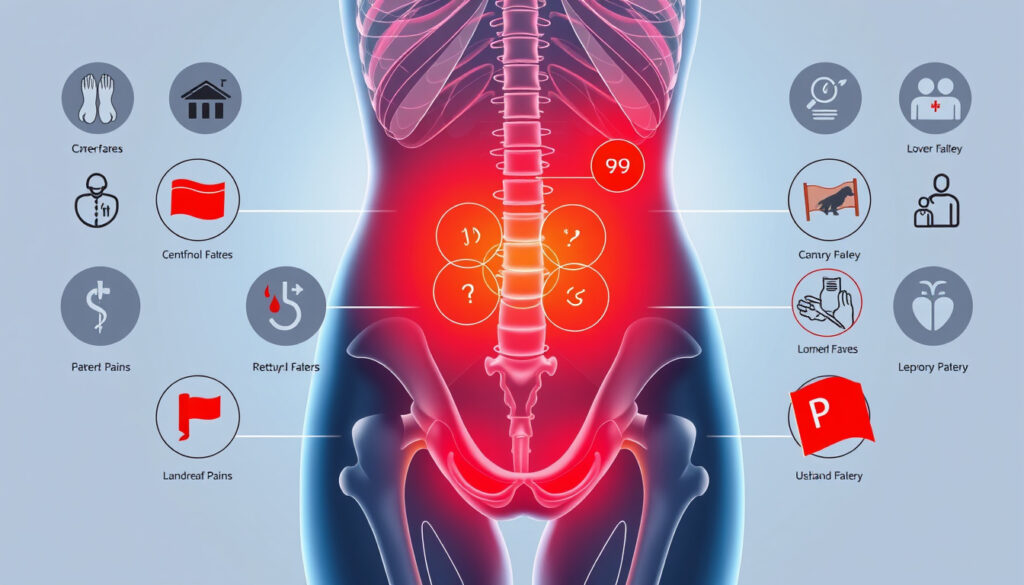
Pain In Lower Abdomen Female – Causes Symptoms And Red Flags
Lower abdominal pain in women can stem from a wide range of causes, from common digestive issues to conditions requiring urgent medical attention. Understanding where the pain originates, what other symptoms accompany it, and when professional evaluation becomes necessary can help individuals make informed decisions about their health. This guide examines the most prevalent causes, associated symptoms, and appropriate responses based on current medical understanding.
The experience of pain in the lower abdomen varies significantly depending on its source. Gastrointestinal disturbances, reproductive system changes, urinary tract infections, and pregnancy-related developments all manifest differently. Location—whether on the left side, right side, or across the lower abdomen—often provides the first clue toward identifying the underlying cause.
While many instances of lower abdominal discomfort resolve on their own within hours or days, certain presentations warrant prompt medical evaluation. Recognizing red flags and understanding typical symptom patterns enables better communication with healthcare providers and more timely interventions when they are truly needed.
What Causes Lower Abdominal Pain in Females?
Lower abdominal pain in women arises from multiple organ systems within the pelvis and lower abdomen. Gastrointestinal conditions rank among the most frequent culprits, particularly those involving the intestines, stomach, and related structures. Irritable bowel syndrome, characterized by bloating, gas, constipation, and diarrhea, affects women at higher rates than men and frequently produces referred pain to the lower abdomen.
Four key areas help narrow down the cause: the type of discomfort present, which side dominates, accompanying symptoms, and how long symptoms persist. These factors together typically point toward the most likely underlying condition.
Location-Based Causes
Right-sided lower abdominal pain in women often involves the appendix, right ovary, or right fallopian tube. Gallbladder problems, including gallstones that block bile ducts, typically cause sharp pain in the upper right abdomen that may radiate toward the side and back, particularly after fatty meals. Kidney infections or stones can affect either side, producing pelvic and back pain alongside urinary symptoms such as burning during urination and increased frequency.
Left-sided lower abdominal pain may indicate sigmoid colon involvement, left kidney issues, or left-sided ovarian or fallopian tube pathology. While less commonly discussed than right-side causes, left lower abdominal pain in women deserves equal attention as it can signal serious conditions requiring intervention.
Hormonal and Menstrual Causes
Hormonal fluctuations throughout the menstrual cycle produce predictable patterns of lower abdominal discomfort. Progesterone levels rise after ovulation, slowing digestion and often causing bloating, gas, and constipation. Prostaglandins released before menstruation trigger uterine contractions that produce cramping and can also cause diarrhea in some individuals.
Conditions such as endometriosis, where tissue similar to the uterine lining grows outside the uterus, and ovarian cysts can cause significant pelvic pain that may worsen during specific phases of the menstrual cycle. Polycystic ovary syndrome and uterine fibroids represent additional reproductive system sources of chronic or intermittent lower abdominal discomfort.
- Gastrointestinal issues account for the majority of benign lower abdominal pain cases
- Hormonal causes typically follow predictable patterns tied to the menstrual cycle
- Right-sided pain warrants particular attention due to appendix proximity
- Kidney-related pain usually involves urinary symptom changes
- Reproductive system causes may fluctuate with hormonal shifts
- Multiple causes can coexist, complicating self-assessment
- Duration exceeding 48 hours generally indicates need for professional evaluation
| Condition Category | Key Symptoms | Typical Location | Urgency Level |
|---|---|---|---|
| Gastrointestinal (IBS, gas, constipation) | Bloating, altered bowel habits, nausea | General lower abdomen | Low to Medium |
| Urinary Tract Infection | Burning urination, frequency, cloudy urine | Lower abdomen and pelvis | Medium (requires treatment) |
| Gallbladder Issues | Sharp pain after meals, nausea | Right upper to lower abdomen | Medium to High |
| Kidney Stones or Infection | Severe colicky pain, fever, urinary changes | Either side, radiates to back | High (seek care promptly) |
| Menstrual Cramping | Cramps, bloating, mood changes | Lower central abdomen | Low |
| Ovarian Cyst | Localized sharp pain, bloating | Either side, lower pelvis | Medium to High if ruptured |
| Endometriosis | Chronic pain, painful periods, pain with intercourse | Variable, often chronic | Medium (chronic management) |
| Ectopic Pregnancy | Severe one-sided pain, vaginal bleeding | One side, sharp onset | Immediate (emergency) |
When Should You Worry About Lower Abdominal Pain?
Most lower abdominal pain in women stems from benign causes that resolve without specific medical intervention. However, certain symptom combinations demand immediate attention. Severe, sudden-onset pain—especially when concentrated on one side—raises concern for ovarian torsion, ectopic pregnancy, or appendicitis, all requiring rapid evaluation.
Fever accompanying lower abdominal pain suggests an infectious or inflammatory process that typically requires antibiotic therapy or other targeted treatment. Persistent vomiting, particularly when combined with an inability to keep fluids down, leads quickly to dehydration and electrolyte imbalances that become dangerous without correction.
Vaginal bleeding that occurs outside expected menstrual periods, especially when accompanied by significant pain, warrants prompt gynecological evaluation. This combination may indicate pregnancy complications including miscarriage or ectopic pregnancy, which constitute medical emergencies.
Seek emergency evaluation for: severe one-sided pain suggesting ectopic pregnancy; fever above 101°F with abdominal pain; inability to keep any food or fluids down for more than 12 hours; vomiting blood or material resembling coffee grounds; black, tarry stools; confusion or altered mental status; or pain so intense it prevents rest or normal activity.
Healthcare providers emphasize that patients should never attempt to self-diagnose conditions involving lower abdominal pain, as symptoms of serious conditions frequently mimic those of benign processes. Even experienced clinicians require imaging studies and laboratory tests to distinguish between many of the conditions that produce similar presentations.
According to guidance from Mayo Clinic resources, persistent pain lasting more than two weeks, progressive worsening, or any combination of severe symptoms merits professional assessment regardless of other factors.
Pain That Worsens When Lying Down
Some women notice that lower abdominal pain intensifies when lying down, which can provide useful diagnostic clues. Gastrointestinal conditions often worsen in this position because lying flat allows gas to accumulate and reduces the effectiveness of gravity in moving contents through the digestive tract.
Inflammatory conditions within the abdomen, such as appendicitis, frequently worsen when lying flat because the inflamed organ comes into closer contact with surrounding structures. Some ovarian cysts cause increased discomfort in certain positions as the cyst shifts and potentially twists.
Reproductive organ pain may intensify when lying down due to relaxation of pelvic floor muscles that normally provide some support. Conversely, walking or gentle movement sometimes provides relief for certain types of musculoskeletal abdominal wall pain.
Lower Abdominal Pain with Other Symptoms in Women
Pain Accompanied by Diarrhea
The combination of lower abdominal pain and diarrhea points strongly toward gastrointestinal sources. Infectious gastroenteritis, food intolerances, inflammatory bowel disease, and irritable bowel syndrome all produce this symptom pairing. Prostaglandin release before menstruation frequently causes both cramping and loose stools in the days preceding period onset.
Diarrhea combined with lower back pain in women who are or might be pregnant requires particularly urgent evaluation, as this combination can indicate preterm labor, especially when accompanied by unusual discharge. UT Southwestern Medical Center specialists note that gastrointestinal symptoms during pregnancy should prompt contact with healthcare providers to rule out serious complications.
Pain with Bloating
Bloating frequently accompanies lower abdominal pain, particularly in gastrointestinal conditions. The hormonal changes of the menstrual cycle, especially progesterone elevation, slow intestinal motility and cause gas accumulation. Women experience functional gastrointestinal disorders including bloating at rates two to three times higher than men.
When bloating and pain appear together, dietary factors often contribute significantly. Carbonated beverages, cruciferous vegetables, legumes, artificial sweeteners, and dairy products commonly produce gas and associated discomfort in susceptible individuals. Food intolerances, such as sensitivity to gluten or fructose, may cause chronic or recurrent bloating with cramping pain.
Pain with Nausea
Nausea accompanying lower abdominal pain suggests involvement of the upper digestive tract, pancreas, gallbladder, or pregnancy-related hormonal changes. Morning sickness from pregnancy typically begins around week six and may present as nausea alone or nausea with vomiting, often accompanied by bloating and heightened sense of smell.
Pancreatitis produces severe upper abdominal pain that may radiate to the back, along with nausea and vomiting that typically provide no relief. This condition requires hospitalization in most cases and develops from gallstones, alcohol use, certain medications, or elevated triglycerides.
Gallbladder disease causes nausea after eating, particularly following meals high in fat, along with pain that may be located in the upper right abdomen or radiate across the lower abdomen. Oshi Health provides detailed information on how gallbladder problems manifest differently from other causes of abdominal discomfort.
Is Lower Abdominal Pain Related to Pregnancy?
Lower abdominal pain can indeed represent an early sign of pregnancy, though it can also indicate other conditions entirely. Early pregnancy produces cramping and pulling sensations in the lower abdomen as the uterus begins its expansion and hormonal changes affect digestion. These sensations typically occur around implantation, approximately one to two weeks after conception.
Progesterone increases dramatically during early pregnancy, slowing gastrointestinal motility and causing bloating, gas, and constipation. Morning sickness, which can occur at any time of day, may begin as early as week four and persist through week sixteen in many pregnancies. These combined effects frequently produce lower abdominal discomfort indistinguishable from purely gastrointestinal causes.
However, severe or one-sided lower abdominal pain during pregnancy demands immediate evaluation. An ectopic pregnancy, in which the embryo implants outside the uterus—typically in a fallopian tube—causes progressive pain that may become severe if the tube ruptures. This constitutes a life-threatening emergency requiring immediate surgical intervention.
Lower abdominal cramping within the first trimester often reflects normal uterine growth and hormonal changes. Sharp, severe pain on either side; pain accompanied by vaginal bleeding; or pain with shoulder tip discomfort should prompt immediate contact with pregnancy care providers. Southlake OBGYN specialists emphasize that any concerning symptoms during pregnancy warrant prompt telephone consultation with the care team.
Cramping Not Related to Menstruation
Women may experience lower abdominal cramping at various times outside their menstrual periods. Ovulation itself can produce brief cramping sensations, typically occurring around day 14 of a 28-day cycle. This mittelschmerz, from the German for “middle pain,” results from follicle rupture and fluid release.
Gastrointestinal causes, including constipation, gas, food intolerances, and infections, produce cramping that women sometimes misattribute to gynecological sources. Urinary tract infections cause cramping in the lower abdomen and pelvis alongside characteristic urinary symptoms. Bladder infections that ascend to the kidneys produce more severe cramping with fever and flank pain.
What to Do for Lower Abdominal Pain Relief
Relief strategies for lower abdominal pain depend heavily on the underlying cause. For gastrointestinal discomfort related to bloating and gas, gentle walking promotes intestinal motility and can accelerate symptom resolution. Proper positioning during defecation, including elevating feet to achieve a more natural squatting angle, reduces straining and associated discomfort.
Dietary modifications often provide significant benefit for recurrent lower abdominal pain. Identifying and avoiding trigger foods—common culprits include dairy products, gluten-containing foods, beans, onions, and carbonated beverages—can reduce both bloating and cramping. Keeping a food and symptom diary helps identify individual triggers over time.
For mild lower abdominal discomfort: apply a warm compress or heating pad; sip herbal teas such as peppermint or ginger; practice deep breathing to reduce tension; stay hydrated with water rather than sugary drinks; avoid tight clothing that compresses the abdomen; and rest in a comfortable position. If symptoms persist beyond 48 hours or worsen, professional evaluation becomes necessary.
For pregnancy-related nausea, small frequent meals throughout the day often prove more tolerable than larger meals. Staying well-hydrated with water, clear beverages, or ice chips helps maintain fluid intake. Vitamin B6 supplementation at doses of 10 to 25 milligrams every six to eight hours has demonstrated effectiveness for pregnancy nausea, though healthcare provider guidance remains important before starting any supplement regimen.
Urinary tract infections require antibiotic treatment for resolution. While home measures such as increased fluid intake and avoiding bladder irritants provide supportive care, they do not substitute for appropriate antimicrobial therapy. Untreated UTIs can ascend to the kidneys and cause more serious infection.
Chronic or recurrent lower abdominal pain warrants comprehensive medical evaluation to identify underlying causes. Cleveland Clinic resources emphasize that recurrent symptoms should prompt discussion with a primary care provider, who may refer to gastroenterology, gynecology, or urology depending on suspected contributing factors.
Symptom Tracking Timeline
Healthcare providers find detailed symptom histories invaluable when evaluating lower abdominal pain. Recording when symptoms began, what triggers or relieves them, how they change throughout the day, and what other symptoms accompany the pain helps narrow potential causes and guide appropriate testing.
- First 24 hours: Monitor pain severity on a scale of one to ten, note any dietary intake preceding symptoms, record bowel movements and urinary patterns, and observe whether rest or activity improves discomfort.
- Hours 24 to 48: If symptoms persist, document any progression or new symptom development, continue tracking meals and elimination patterns, and consider whether over-the-counter remedies provide relief.
- Beyond 48 hours without improvement: Schedule an appointment with a primary care provider, prepare a written summary of symptom timeline and characteristics, and gather information about any relevant medical or family history.
- Development of red flag symptoms at any point: Proceed directly to emergency evaluation or call emergency services, as severe symptoms suggest conditions requiring immediate intervention.
What We Know and What Remains Uncertain
Medical science has established clear diagnostic criteria and treatment approaches for many causes of lower abdominal pain in women. The connection between hormonal fluctuations and menstrual-related cramping is well-documented, as is the relationship between specific bacteria and urinary tract infections. Gallbladder disease, appendicitis, and kidney stones have characteristic presentations that experienced clinicians recognize reliably.
| Established Information | Information That Remains Less Certain |
|---|---|
| UTIs respond predictably to appropriate antibiotics | Precise triggers for functional GI disorders in individual patients |
| Menstrual cramping linked to prostaglandin release | Which ovarian cysts require intervention versus observation |
| Ectopic pregnancy requires emergency intervention | Optimal dietary approaches for IBS management vary significantly |
| Appendicitis typically requires surgical removal | Why endometriosis causes severe pain in some but not all patients |
| Pregnancy hormones slow digestion and cause nausea | Whether mild cramping in very early pregnancy predicts complications |
| Kidney stones cause severe colicky flank pain | Best prevention strategies for recurrent kidney stones |
Understanding Lower Abdominal Pain in Context
The significance of lower abdominal pain varies depending on a woman’s age, medical history, and reproductive status. Young women in their reproductive years face higher rates of gynecological causes, including ovarian cysts, endometriosis, and pregnancy-related conditions. As women approach menopause, the likelihood of diverticular disease and other colorectal conditions increases.
Lifestyle factors influence lower abdominal pain prevalence and severity. Chronic stress affects gut-brain axis function and can exacerbate functional gastrointestinal disorders. Dietary patterns contribute substantially to bloating, gas, and altered bowel habits. Physical activity level impacts intestinal motility and overall digestive function.
Family history provides important context, as conditions such as inflammatory bowel disease, endometriosis, and certain cancers may run in families. Women with strong family histories of conditions causing lower abdominal pain may warrant earlier or more comprehensive evaluation when symptoms arise.
Expert Perspectives and Source Information
Medical evaluation of lower abdominal pain relies on established diagnostic frameworks developed through decades of clinical research and practice. Healthcare organizations including the American College of Obstetricians and Gynecologists and the American Gastroenterological Association publish guidelines that help clinicians approach these symptoms systematically.
Pain severity does not always correlate with condition severity. Mild symptoms can indicate serious conditions, while severe discomfort sometimes reflects benign processes. This is why professional evaluation remains essential rather than self-assessment based on symptom intensity alone.
National Health Service resources and WebMD medical databases provide accessible overviews of lower abdominal pain causes for patients seeking general information. These sources emphasize that symptoms vary considerably between individuals and that professional medical evaluation provides the most reliable path to accurate diagnosis.
Summary and Next Steps
Lower abdominal pain in women stems from diverse causes ranging from menstrual cramping and digestive disturbances to serious conditions requiring emergency intervention. Understanding common symptom patterns, recognizing warning signs, and knowing when professional evaluation becomes necessary empowers women to make appropriate decisions about their health.
For mild, self-limiting symptoms, home measures including rest, warmth, hydration, and dietary awareness often provide adequate relief. For persistent symptoms, worsening pain, or any concerning features, prompt contact with healthcare providers enables timely diagnosis and treatment. Conditions such as Symptoms of a Heart Attack – Key Signs Especially in Women demonstrate how certain symptoms warrant particular attention in women, highlighting the importance of awareness across all areas of health.
Frequently Asked Questions
Can lower abdominal pain after eating indicate a serious condition?
Pain occurring after meals may stem from gallbladder disease, pancreatitis, or functional digestive disorders. Fatty foods commonly trigger gallbladder-related symptoms. Persistent post-eating pain warrants medical evaluation to determine the underlying cause.
Why does my lower abdominal pain keep coming back?
Recurring pain often indicates chronic conditions such as irritable bowel syndrome, endometriosis, ovarian cysts, or urinary tract infections. Keeping a symptom diary and consulting with a healthcare provider helps identify patterns and appropriate management strategies.
Is sharp lower right abdominal pain always appendicitis?
While appendicitis commonly causes right lower quadrant pain, other conditions can produce similar symptoms including ovarian cysts, kidney infections, pelvic inflammatory disease, and gastroenteritis. Appendicitis typically progresses through characteristic stages including initial periumbilical pain migrating to the right lower abdomen.
When should I go to the emergency room versus urgent care?
Emergency evaluation is warranted for severe pain, suspected ectopic pregnancy, fever with abdominal pain, inability to keep fluids down for extended periods, or signs of internal bleeding. Urgent care or same-day primary care appointments suit symptoms that are uncomfortable but not immediately dangerous.
Can stress cause lower abdominal pain?
The gut-brain connection means that stress and anxiety commonly exacerbate functional gastrointestinal symptoms, including lower abdominal pain, bloating, and altered bowel habits. Managing stress through relaxation techniques, regular exercise, and adequate sleep can reduce symptom frequency and severity.
What tests might a healthcare provider order for lower abdominal pain?
Common tests include urinalysis for UTI, blood work for infection or inflammation markers, pelvic ultrasound for reproductive organ evaluation, and CT scan or MRI for detailed imaging. The specific tests ordered depend on the clinical presentation and suspected causes.
Are there any warning signs that lower abdominal pain could be cancer?
While rare in younger women, ovarian cancer and colorectal cancer can present with lower abdominal pain. Persistent symptoms unresponsive to standard treatments, unexplained weight loss, changes in bowel habits, bloating that does not resolve, and family history of cancer warrant thorough evaluation to rule out malignancy.
More related posts
 Lloyds Bank Internet Banking: How to Sign In and Use the App
 Monsters, Inc. – Plot, Characters and Franchise Overview
 Sigmund Freud: Psychoanalysis, Theories & Controversies
 James Garfield Assassination: Facts, Motives & Netflix Accuracy
 Scott Thomas: Love Island Star, ADHD Diagnosis, and Family Life
 Peter Cook: British Satirist’s Death, Divorce & Legacy
 Ar enal Away Kit 25/26: De ign, Relea e, Price & Where to Buy
 KLM Airlines Review: Economy Class, Meals, Pet Policy